
How Independent HVAC Contractors Are Changing Their Wholesaler Strategies in 2026
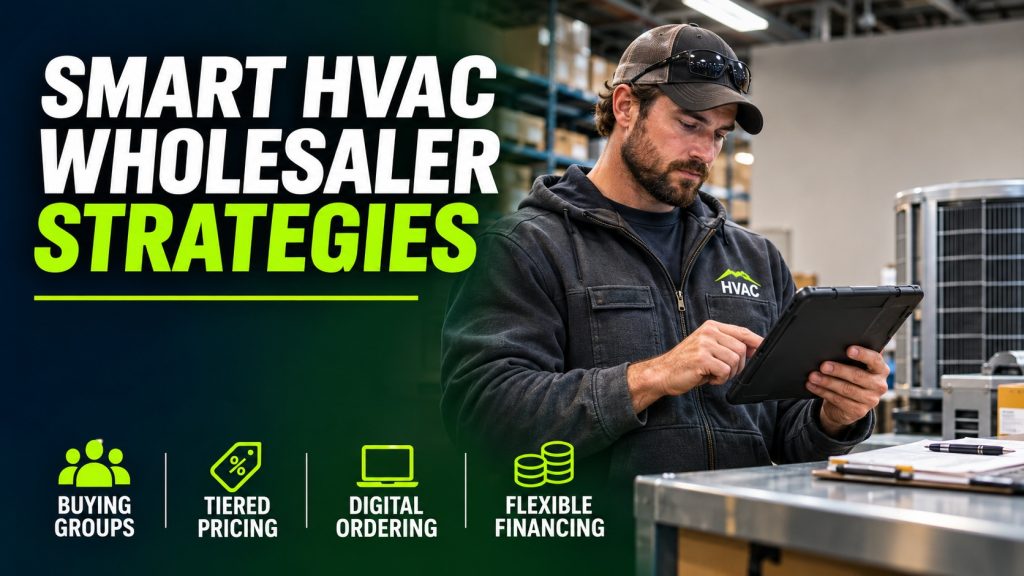
A low equipment price may lose its appeal when payment terms strain cash flow or placing an order takes too much time. For independent HVAC contractors, the trade-offs make wholesaler selection worth a closer look. Buying groups, formal discount programs, online ordering and third-party financing offer four ways to rethink supplier relationships.
What Do the Best HVAC Wholesalers for Independent Contractors Offer?
Survey findings in 2025 show that 83% of contractors buy from three or more suppliers, while the average contractor directs 68% of purchases to a primary distributor. As such, multi-supplier sourcing is already common among contractors.
The more useful question for 2026 is how contractors choose and work with those suppliers. The best fit depends on how a wholesaler supports margin protection, purchasing flexibility and access to knowledgeable assistance. HVAC contractors can evaluate these qualities through pricing programs, ordering options and payment terms.
Contractor Buying Groups Are Reshaping Equipment Sourcing
Independent contractors can join buying groups to negotiate pricing and rebates as a larger purchasing network. This gives them more leverage with the wholesalers they already use. It offers a way to gain collective buying power rather than switching suppliers.
Honey Badger Growth Group is an organization built for independent HVAC contractors that puts this pooled purchasing strategy into practice. It applies group pricing to existing distributor accounts, so members can still keep their accounts and continue ordering through the same channels.
Honey Badger estimates that buying independently can cost $500-$2,500 more per system in equipment and materials. When reviewing options, HVAC contractors should weigh the potential savings from pooled purchasing against the cost of joining a buying group. Annual purchasing volume can help put those costs and savings in perspective.
Owners can also ask which brands and product categories qualify for negotiated rates, then check how closely those offerings match their usual jobs. Rebate payment schedules warrant review as well, since a credit received later has a different cash-flow impact than an immediate discount.
Tiered Pricing Programs Are Protecting Contractor Margins
Tiered pricing programs give enrolled contractors a fixed discount through a wholesaler’s formal membership program. This means HVAC contractors will not have to negotiate each purchase. One example is the iwaePros program from wholesaler Ingram’s Water & Air Equipment, LLC.
Members receive 15% off storewide pricing unless otherwise noted, which provides a consistent discount for estimating costs and protecting margins across jobs of varying sizes. A clearer view of expected equipment expenses may make it easier to prepare job quotes.
Even though the discount cannot be combined with other promotions, preset pricing can reduce the time spent negotiating individual orders. Less back-and-forth over price can leave staff more time to confirm product specifications and coordinate deliveries.
Contractors can compare program pricing against recent invoices to estimate potential savings across their usual purchases. Reviewing eligibility rules, exclusions and any membership costs can help determine whether a formal discount arrangement is appropriate.
Digital Ordering Platforms Are Speeding Up Equipment Purchases
Contractors can move routine equipment and parts purchases online, reducing the need for phone calls to sales staff or trips to a supplier counter. Digital platforms let buyers review options and place orders directly.
Operating in a sector where most transactions still pass through traditional channels or legacy electronic data interchange systems, Voomi Supply, an e-commerce platform for HVAC wholesale purchasing, has raised $10 million to expand its online purchasing infrastructure. This investment supports an alternative that gives buyers greater control over the purchasing process.
A multi-supplier view can shorten the search for suitable products on urgent jobs. Rather than contacting distributors separately, contractors can assess available options through an interface and identify a potential source sooner. For business owners, a practical starting point is to test a purchase through a digital channel and compare the time required with their usual approach.
Tracking delivery accuracy and how easily staff find compatible items can show whether the switch works in practice. Keeping a direct supplier contact available for complex questions also allows the business to use self-service tools where useful while retaining access to technical guidance.
Third-Party Financing Is Easing Cash Flow Pressure
A wholesaler’s partnership with an outside lender can let contractors spread equipment costs over time while the supplier receives payment in full. PEAC Solutions, an equipment financing provider, supports this approach through an online application process.
It advertises that it makes credit decisions within two hours, though its disclaimer states that most qualified applications receive a decision the same day or next business day. Contractors should therefore build financing checks into their purchasing schedule before confirming delivery or installation dates.
Contractors can check purchase eligibility and compare the total repayment amount with the initial price. Matching installments to expected customer receipts can also help owners assess whether the arrangement leaves enough cash available to cover ongoing operating expenses.
Owners should review late-payment charges and early-repayment terms, since a monthly figure may obscure the full commitment. A cash flow forecast that assumes delayed customer payments can help test whether the business could still meet its obligations if incoming funds arrive later.
Frequently Asked Questions About HVAC Wholesaler Strategies in 2026
Wholesaler selection involves balancing equipment costs with the practical needs of running an HVAC business. Common questions focus on how to assess suppliers, secure better terms and simplify ordering.
What should independent contractors look for in a wholesaler in 2026?
HVAC contractors should evaluate margin protection, purchasing flexibility and knowledgeable support alongside equipment prices. How effectively they use each supplier relationship is more useful than simply counting the accounts they hold.
How are contractors reducing costs on bulk equipment purchases?
Buying groups such as Honey Badger Growth Group combine members’ purchasing volume to negotiate better terms. Separately, programs such as iwaePros give enrolled contractors a fixed discount on eligible purchases, making pricing more predictable across orders.
Why are more contractors ordering equipment online?
Phone calls and salesperson follow-ups can add steps to the routine purchasing process. Digital platforms let buyers compare supplier options and submit orders through a single interface. This potentially reduces the time required to source equipment.
The Wholesaler Relationship Is Becoming a Strategic Business Decision
Buying groups, formal discount programs, digital ordering and third-party financing can give HVAC contractors distinct ways to manage equipment procurement. Each addresses a practical consideration, from pricing consistency and sourcing speed to payment flexibility.
Together, these frame wholesaler selection as a business decision shaped by how a company operates. A familiar supplier or low initial quote may provide only part of the picture. Contractors that evaluate these relationships deliberately may be better positioned to adapt as the HVAC supply chain continues to change in the years ahead.